
Total Free Customer Care
Live Support?

Homes for rent and for sale — search the map or open the full city SEO catch-all page.

Stamford CT is a high-cost but well-connected city that works best if your budget can handle the prices and you plan ahead for the commute, parking, and Connecticut’s 90-day DMV deadlines for new residents. It sits roughly 40 miles from Manhattan, with Metro-North trains running less than an hour into New York City, so it pulls in renters, buyers, and NYC-connected and remote professionals who want more room than the city offers. Living expenses run about 28% above the national average, and rent averages north of $2,200 a month. Stamford Connecticut is a strong fit if you value train access, waterfront parks, and a real job market close to home. Think twice if your housing budget is tight or you’re expecting suburban prices with city amenities.
Here’s the baseline the rest of this guide builds on. Census figures are 2020–2024 estimates, and listing-market numbers move month to month, so verify current data before you commit.
| Metric | Figure | Note |
|---|---|---|
| Population (July 2025 est.) | 139,535 | Up 3.0% from 2020 |
| Median household income | $111,586 | 2020–2024 Census |
| Median gross rent | $2,276 | 2020–2024; current listings run higher |
| Median home value | $624,400 | Census; current market ~$722,451 (verify) |
| Mean travel time to work | 28.5 min | Citywide average commute time, not NYC commute |
| Public schools | 13 elem / 5 middle / 3 high | Stamford Public Schools |
| DMV transfer deadline | 90 days | License and vehicle registration |
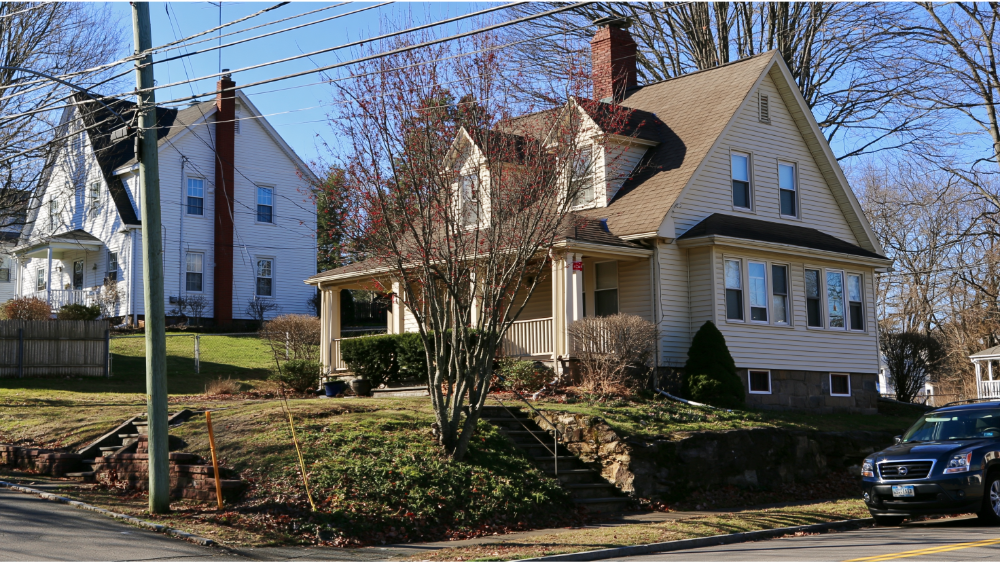
Stamford is not cheap, and you should budget with that in mind. Overall living expenses sit around 28% above the national average, with utilities running roughly 12–17% higher. The Census pegs the median gross rent at $2,276 for 2020–2024, but that official figure lags the market. Current listing sources put average rent closer to $2,925, with one-bedrooms in downtown Stamford CT around $2,300 to $2,479. Treat any current listing number as volatile and check it near your move date.
On the ownership side, the Census reports a median home value of $624,400, while current market data shows values closer to $722,451. The median household income of $111,586 gives you a sense of the local buying power behind those prices, well above the national median. Connecticut’s sales and use tax is 6.35%. Buyers and car owners also deal with Stamford’s FY 2026–27 mill rates: 25.14 for District A, 24.66 for District B, 24.31 for District C, and 24.31 for motor vehicles.
For one person, monthly costs in Stamford can run near $7,300 once rent, utilities, food, and transportation are added up. That’s a real number to test against your income before signing anything. Run your own figures through KT Rents’ Rent Calculator and Cost of Living Calculator so you’re deciding with math, not guesses.
Rent first if you’re unsure about your commute, the neighborhood, or how long you’ll stay. Stamford’s a place where the door-to-door reality of a commute or the feel of a block can change your mind, and renting keeps you flexible while you figure it out. We believe renters deserve to feel at home, not just housed, so there’s no shame in taking a year to learn the city before you buy.
Buying makes sense if your budget comfortably covers home values around $624,400, the mill rates above, mortgage payments, and maintenance. Census data puts median monthly owner costs with a mortgage at $3,460, and current values have been climbing. Before you commit either way, run the numbers through KT Rents’ Rent vs. Buy Calculator and Mortgage Calculator. The right answer depends on your timeline and your budget, not a headline.
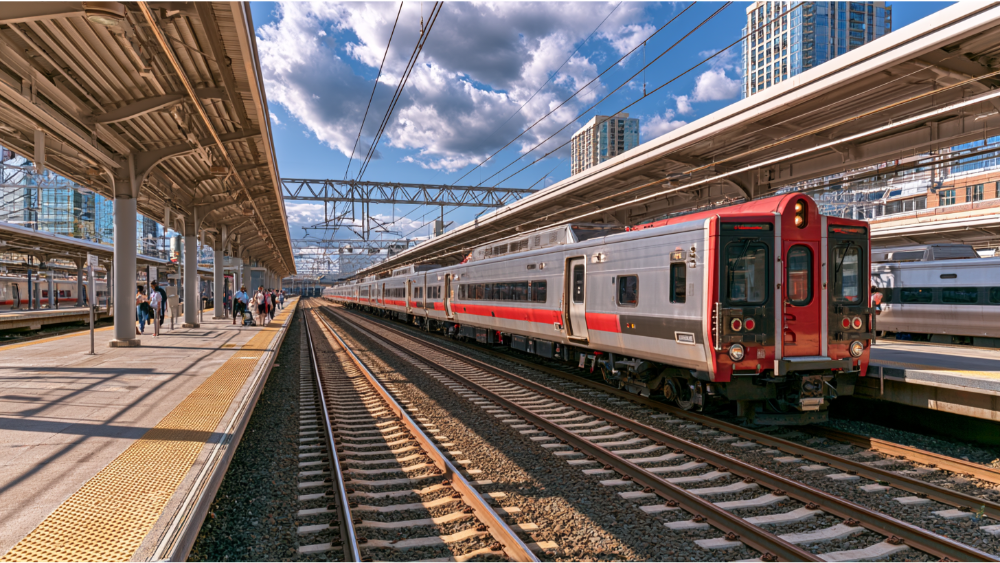
The Metro North New Haven Line is the reason many people land in Stamford. Express trains reach Grand Central and midtown Manhattan in about 45 to 55 minutes from the Stamford Transportation Center, one of the busiest hubs on the line, with well over 8 million commuter trips a year moving through the system. At roughly 40 miles out, the train usually beats driving, which can stretch past 90 minutes in heavy traffic.
Here’s the tip that saves people from surprises: do the door-to-door math. Your real commute is the walk or drive to the station, parking, the train ride, and the subway on the other end. That can add 20 to 30 minutes to the headline train time. MTA schedules change, so treat the official MTA timetable as your source of truth. Drivers heading elsewhere have I-95 and the Merritt Parkway, LaGuardia is about an hour by car, and Westchester County Airport sits even closer for shorter trips. Stamford isn’t just a commuter town, but the train is what makes the geography work.
It depends on where you land and how you run your errands. Living in the city center or near the Stamford Transportation Center puts restaurants, offices, and the train within a short walk, and plenty of residents there get by without a car most days. Farther out into the residential areas, driving becomes the practical default. CTtransit runs 15 local bus routes across the city, plus the seven-day I-Bus express connecting downtown Stamford and White Plains, NY, so public transportation is a genuine option for many trips. Public parking downtown runs around $16 per 24 hours, though rates and rules shift, so confirm before you rely on them. Match your choice to how you actually get around day to day.

Stamford’s diverse neighborhoods differ mostly by housing type, transit access, and how you handle daily errands. Sort them by your routine, not by anyone else’s.
Walk or drive through anywhere you’re serious about at different times of day. The block that fits your commute and your errands is the one to sign for.
People move to this Connecticut city for work, not just for the train. Stamford calls itself “The City That Works,” and the numbers back the nickname up. The unemployment rate sat at 2.8% in December 2024, and the broader Bridgeport-Stamford-Norwalk area supports more than 410,000 workers. Education and health services alone employ around 85,200 people locally, and professional and business services add another deep layer of white-collar jobs. Charter Communications and Synchrony Financial both keep their corporate headquarters here, and United Rentals anchors the base too, reaching well beyond finance. UConn Stamford brings a university presence downtown, while nearby Sarah Lawrence and other schools sit a short drive over the state line. Average salaries land near $89,000, which helps explain how residents absorb the higher cost of living. If you’re weighing whether you can afford Stamford, line up the local salary picture against those monthly costs. For many young professionals, this thriving job market is a bigger draw than the NYC connection.

There’s real life here beyond the train. Cove Island Park and Cummings Park sit right on Long Island Sound near Stamford Harbor, and Mianus River State Park gives you trails a short drive away for outdoor recreation. Cove Island Park in particular is a local favorite for walking paths, a beach, and easy waterfront access. Mill River Park anchors downtown Stamford with green space and a seasonal ice skating rink. The Stamford Museum & Nature Center pulls families out on weekends, and the Stamford Museum’s working farm and trails make it an easy outing with kids. The Bartlett Arboretum offers a quiet wildlife sanctuary of gardens and woodland walks, and its resident river otters and other wildlife are a hit with visitors. There’s even a soccer fun zone and other kid-friendly spots for weekend energy. The arts scene runs deep for a city this size: the Palace Theatre hosts touring shows, the Stamford Art Association keeps local artists in front of residents, and Bedford Street stays busy with dining and nightlife. Add major shopping like the Stamford Town Center mall, real cultural amenities, and the downtown’s architectural wonders, and Stamford offers plenty to do without heading into Manhattan every weekend. It has the feel of a scaled-up version of the classic New England cities.
Stamford gives you four-season New England weather. Summers are warm and humid, winters bring cold and snow off the Sound, and spring and fall stay mild. The average seasonal temperature swings from the low 30s in January to the low 80s in July, so pack for the full range. If you’re moving to Stamford Connecticut from a warmer climate, budget for winter gear and heating costs alongside your rent.

Stamford Public Schools runs 13 elementary schools, five middle schools, and three high schools, and is expected to welcome more than 15,500 students for the 2025–26 year. Students are assigned based on attendance boundaries set by the Board of Education, so your address determines your school. Use the district’s official school lookup before you sign a lease or make an offer, not after. Independent options like King School and Long Ridge School also exist in the area if you’re exploring alternatives.
Knock these out early so nothing catches you off guard, whether you’re relocating from nearby New Canaan or moving cross country. The city’s official new-residents hub links most of them in one place.
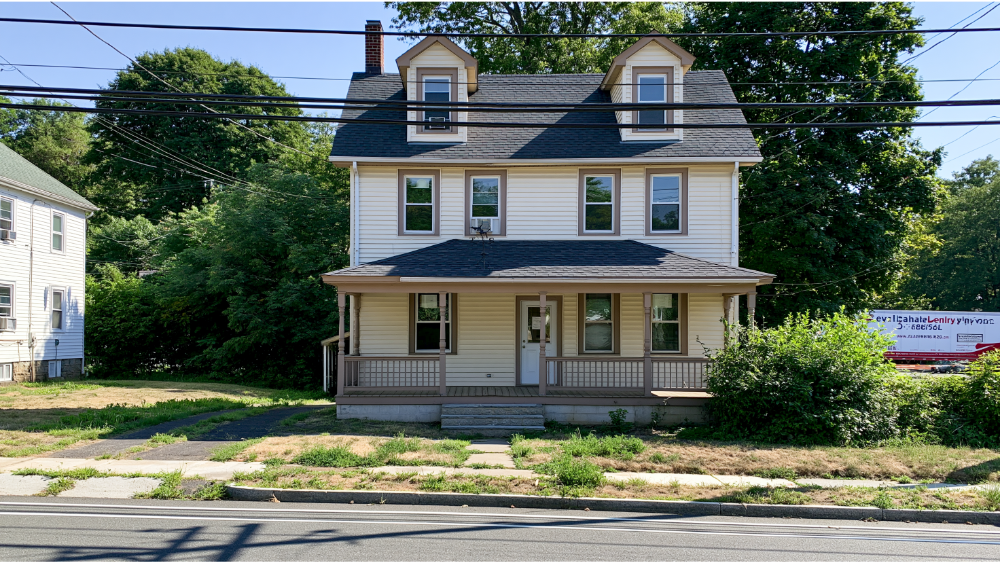
Connecticut caps residential security deposits at two months’ rent for tenants under 62, and one month’s rent for tenants who are 62 or older. State law also limits what a landlord can charge at move-in: generally no separate application or acceptance fee beyond the security deposit, first month’s rent, a key deposit, or a tenant screening report fee as allowed by law. Stamford’s Fair Rent Program helps protect renters from unfair increases and retaliation. These are Connecticut-specific rules, not national ones. As a broker-owned company, we take licensing and accountability seriously wherever we operate, which is exactly the standard you want on the other side of your lease.
Straight talk, no spin.
Pros:
Cons:

KT Rents is a nationwide, broker-owned, full-service real estate platform operating across the U.S. since 2009, managing 683 units across 34 states with $187M in assets under management as of early 2025, and we report a 98% occupancy rate. Wherever your move takes you, our renter tools do the heavy lifting: run the Rent Calculator, the Rent vs. Buy Calculator, the Mortgage Calculator, and the Cost of Living Calculator before you commit, then handle applications and rent payment online. Your Rental. Your Way. Have questions? Call us at (800) 716-4950.
For many people, yes. You get Metro North access to NYC, a thriving job market, waterfront parks like Cove Island Park, and a real arts and dining scene. The main tradeoff is cost, with living expenses running about 28% above the national average.
Plan around Stamford’s higher costs. A single person can spend roughly $7,300 a month once rent, utilities, and daily expenses are counted. Average local salaries land near $89,000, which is part of how residents manage the price of living here.
Generally yes, especially for space. Rent averages over $2,200 a month in Stamford, and you get more room than comparable Manhattan pricing while keeping the city about 40 miles away by train.
Express Metro North trains run about 45 to 55 minutes from the Stamford Transportation Center to Grand Central. Add the walk, parking, and any subway on the other end for your true door-to-door time, and always check the current MTA schedule.
Connecticut caps residential security deposits at two months’ rent for tenants under 62, and one month’s rent for tenants who are 62 or older. Landlords generally can’t tack on separate application or acceptance fees beyond what state law allows.