
Total Free Customer Care
Live Support?

Homes for rent and for sale — search the map or open the full city SEO catch-all page.
Jacksonville, FL, offers a unique value proposition for new residents: it is the most populous city in Florida by area, yet it remains relatively affordable compared to other major coastal hubs. As of July 2026, the city is a prime destination for those seeking proximity to over 20 miles of Atlantic beaches and the financial relief of no state personal income tax. However, because Jacksonville is sprawling and car-dependent, movers must prioritize address-level research—specifically mapping commute times to their workplace and verifying the property’s flood and evacuation zone status on JaxReady before committing to a lease or purchase. Renters should also budget for Florida-specific insurance costs and ensure they are prepared to meet tight state deadlines for driver’s license and vehicle registration updates upon arrival.
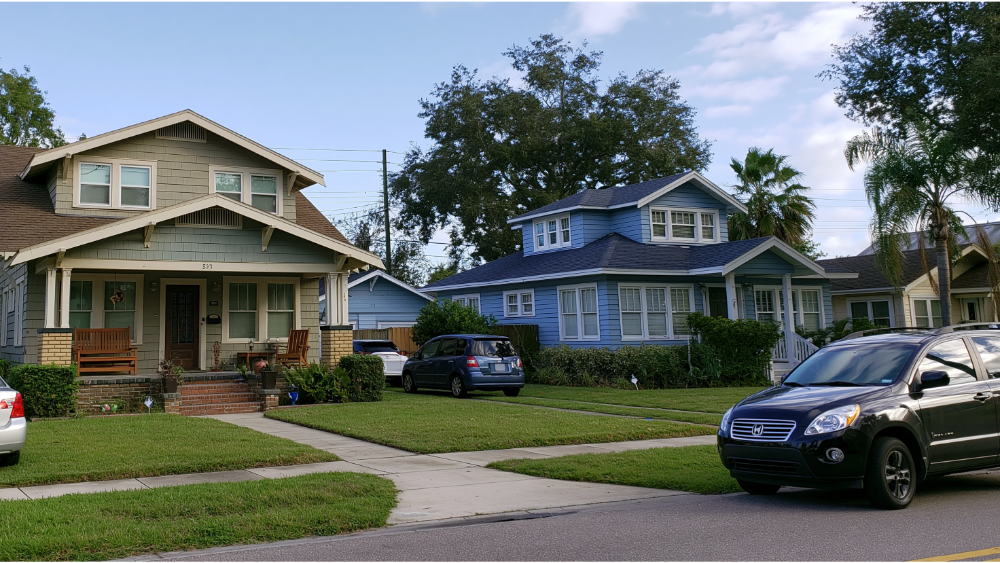
Moving to Jacksonville can be a smart move if you want a big coastal city with moderate housing costs, no Florida personal income tax to eat into your take-home pay, and more than 20 miles of beaches within reach. The cost of living here sits slightly below national averages, which stretches your budget further than a lot of major metros. The tradeoffs are real, though: the city is enormous and spread out, most areas are car-dependent, summers are hot and humid, and every renter should check flood and evacuation zones before signing a lease. Yes, if you want space, sunshine, and year-round outdoor living. Think twice if you need walk-everywhere public transportation options or hate humidity. This guide is for renters and remote professionals relocating to the area, and it gives you real numbers, a before-you-apply checklist, and tools to run your own math. KT Rents is a full-service, broker-owned rental partner here to help you land softly in Jax.
The first thing to understand about Jacksonville is its size. As of July 1, 2025, the U.S. Census estimated 1,017,689 residents, up 7.2% since the 2020 base, which makes it the most populous city in Florida. What surprises most people is the land area: 747.29 square miles, making it the largest city by area in the contiguous U.S. That footprint shapes everything about daily life for residents in this vibrant city, and it explains why more people keep arriving each year.
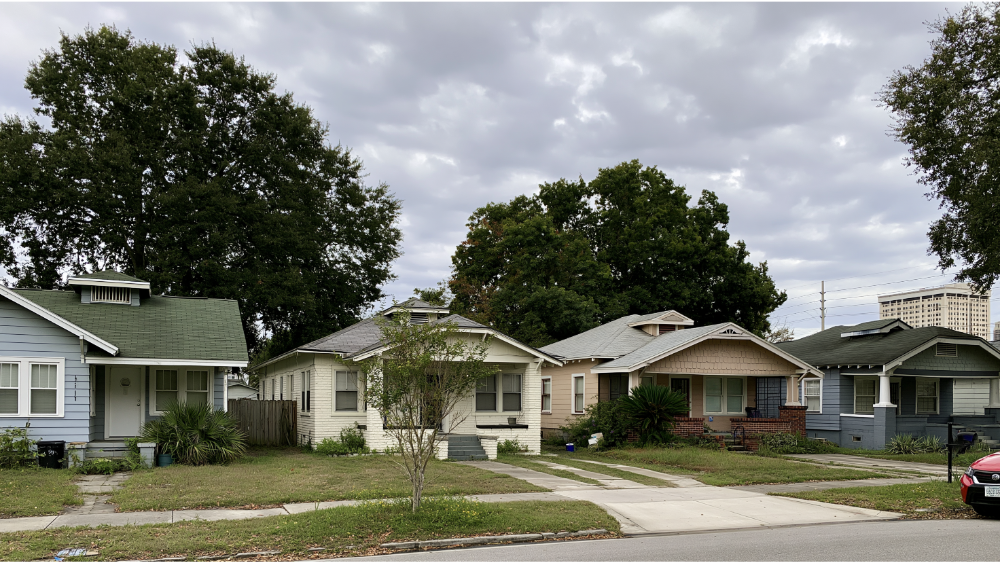
The St. Johns River winds through the middle of the city, splitting it into distinct sides and stretching north and south. The Atlantic beaches sit to the east, and the humid subtropical climate keeps things green year-round with warm weather most of the calendar. With over 500 distinct neighborhoods, “moving to Jacksonville Florida” doesn’t describe one experience. Where you land determines your commute, your rent, your beach access, and the feel of your everyday routine. A downtown-adjacent apartment and a home on a large lot up north are technically the same city, but they’re two very different lives. Pick your location with that in mind, because living in Jacksonville looks different from one neighborhood to the next.
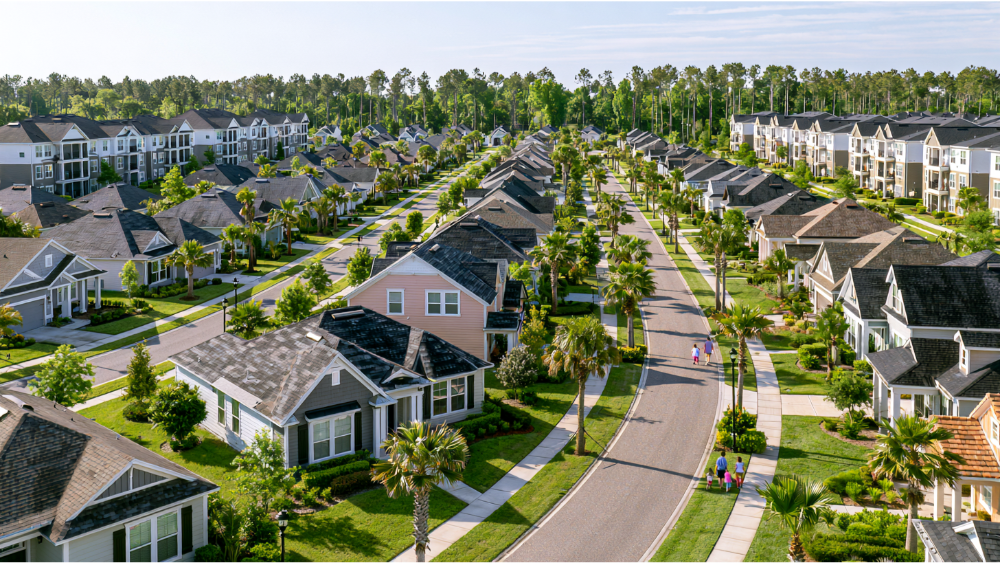
Jacksonville lands close to the national average on cost, but slightly under it. The Bureau of Economic Analysis pegged the Jacksonville metro’s 2024 all-items Regional Price Parity at 99.484, just below the national index of 100. Not dramatically cheaper, but a bit friendlier than pricier coastal metros like Miami. That more affordable footing is part of what draws new residents from more expensive Florida markets.
For a budgeting baseline, MIT’s Living Wage Calculator (updated February 2026) estimates a living wage of $23.09 per hour for one adult with no children in the metro, which works out to about $48,037 in required annual income before taxes. That’s a model, not a rent quote, so treat it as a planning checkpoint rather than a promise.
The real budget win is on taxes. The Florida Department of Revenue confirms the state has no personal income tax, so more of your paycheck stays in your pocket compared to a lot of other states. That leaves more money for the things that matter over the course of your whole life here. One thing to verify before moving: counties can add a discretionary sales surtax on top of the state sales tax, so check the current Duval County rate with the Florida Department of Revenue. These figures give you a solid baseline, but they aren’t live rent numbers. For that, keep reading.
The Census lists Jacksonville’s median gross rent at $1,465 for 2020 to 2024, with an owner-occupied rate of 57.6%. That means a large share of households rent, so you’re in good company. Here’s the important distinction: that Census median is a historical baseline, not what you’ll see on a listing today.
Current asking rents move around based on property type, lease length (short-term versus long-term), amenities, pet policies, and exactly where in the city you’re looking. A townhouse near the beaches and a single-family home inland can differ by hundreds of dollars a month. There are great options across price ranges, so always look at live listings with an “as of” date attached, not a stale average.
KT Rents is a full-service, broker-owned rental platform operating nationwide, with Jacksonville as a confirmed rental market. Before you fall for a listing, run your budget through our Rent Calculator and browse current Jacksonville FL rentals to see what your money actually gets you right now.
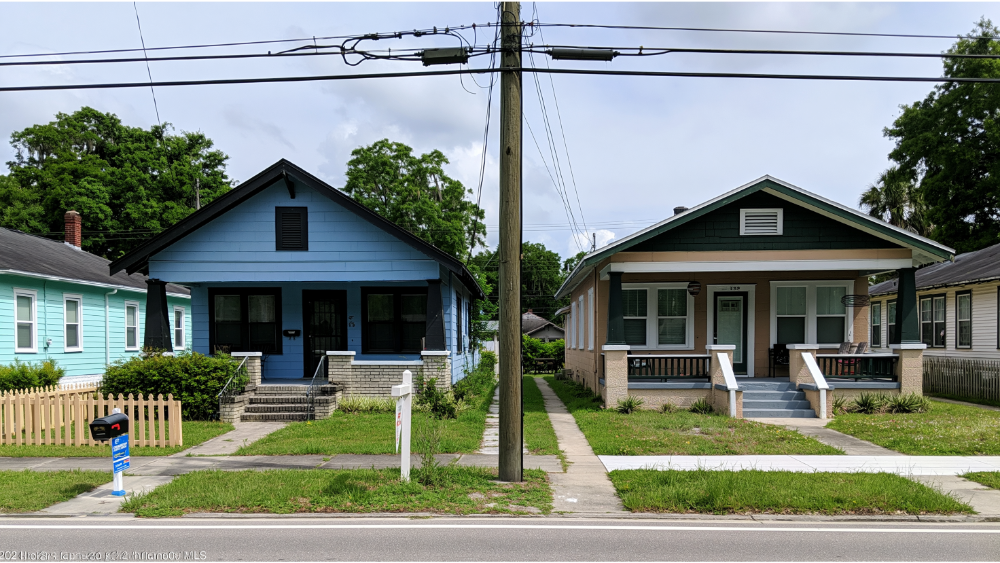
The Census puts the median value of owner-occupied homes at $293,700 for 2020 to 2024, more approachable than many big-city markets. Whether renting or buying makes sense for you comes down to your timeline, your savings, and how much flexibility you want in the next few years. If you’re not sure you’ll stay put, renting keeps your options open while you learn the city and get a feel for the community you want to be part of.
We won’t give you financial advice, but we will give you the math. Run your scenario through KT’s Rent vs. Buy Calculator and Mortgage Calculator before you commit either way.
The job base here is broad, which matters if you’re moving without a role locked in. BLS metro data shows a preliminary 4.7% unemployment rate for May 2026 and about 803,300 total nonfarm jobs. The city drew attention as one of the country’s hottest markets for job growth earlier this decade, and the sector spread backs that up. That mix is part of why so many people relocating from other cities like Orlando and Miami consider Jacksonville, Florida.
The biggest employment sectors in the May 2026 BLS data:
Finance has a meaningful footprint (the sector employs well over 19,000 locally), tourism and hospitality support roughly 72,600 jobs annually, and healthcare and technology both run strong. Higher education adds to the mix too, with Jacksonville University among the schools anchoring the local talent pipeline. Median household income sat at $69,872 per the Census. These are metro-level signals, not a job guarantee.
If you work remotely, Jacksonville fits well. Check broadband availability at any address, make sure a rental has room for a real workspace, and factor commute needs for the days you do go in. Jacksonville International Airport moved more than 7.6 million passengers in 2024, its busiest year on record, so getting out for travel or client visits is easy, whether that’s a quick hop to Orlando or a longer trip to major cities like New York.
Because Jacksonville covers so much ground, most of it is built for driving. The Census reports a mean travel time to work of 24.1 minutes, which is reasonable, but that number hides how much your commute depends on where you live relative to your job. The large geographical area also means traffic can pile up on the main corridors during peak hours.
Downtown has one exception worth knowing. The Jacksonville Transportation Authority runs the Skyway, a free automated transit system connecting key destinations in the downtown core. If you land in or near downtown, that’s a genuine perk among the city’s limited public transportation options. For most people moving here, though, car access is a practical necessity rather than a luxury.
Before you apply anywhere, map the address against your actual life: the drive to work or school, transit nearby, and how far you’ll travel for groceries and errands. If you have kids, factor the daily school run into that math too. A cheaper rent on the far side of the city can cost you an hour a day.
Jacksonville’s humid subtropical climate means mild winters and hot, sticky summers. The Florida Climate Center’s 1991 to 2020 normals show an annual mean of 69.3°F, with July averaging 91.9°F high and 73.2°F low and January daytime highs in the mid-60s. Late spring, along with fall, lands comfortably in the 70s and 80s. The city hasn’t seen snow since 1989. Rain is heavy, with 53.40 inches annually, concentrated in the wetter summer months.
The part generic guides gloss over is storm planning. The National Hurricane Center’s official Atlantic hurricane season runs June 1 through November 30. Here’s what to actually check before you sign a lease:
That last point matters. With KT, maintenance requests go through the owner portal, so when something breaks after a storm, there’s a clear process and a record, not a voicemail into the void.

With more than 500 distinct neighborhoods, Jacksonville rewards renters who compare on facts rather than reputation. Instead of chasing vague labels, run every area you’re considering through the same neutral checklist:
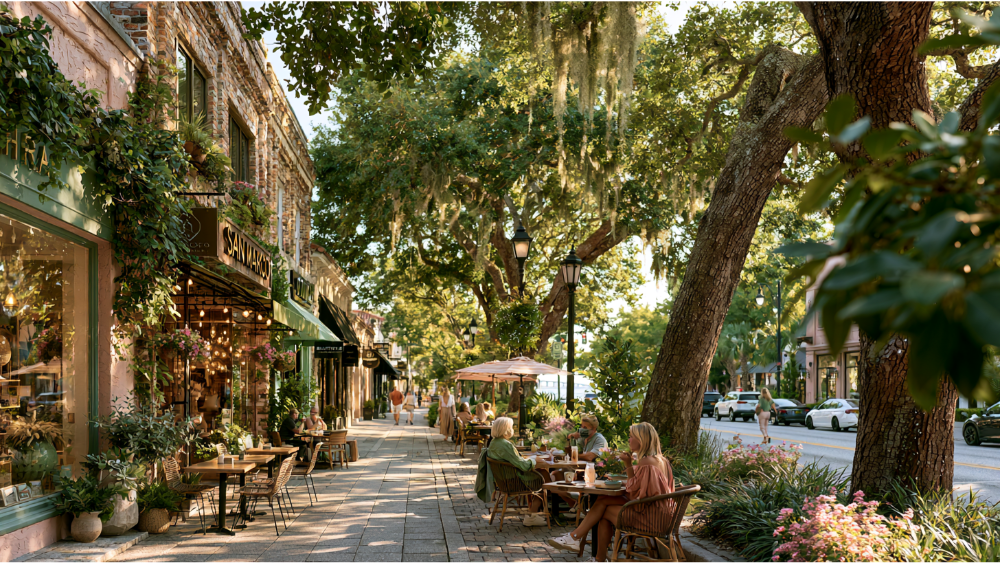
The variety across the city is genuine. San Marco was modeled after Venice’s Piazza San Marco and has a walkable center with a strong sense of community, including a well-loved local museum scene. Riverside is known for its historic homes and a lively community feel. Southside has notable parks and easy access to outdoor activities. The Northside offers larger lots, some over an acre, and Heckscher Drive runs along the water on that edge of town near navigable water and boat access. Orange Park sits quieter and more rural on the metro’s edge. Families weighing schools sometimes look at both public assignments and private schools in an area. Those are descriptions of features, not rankings of who belongs where.
If schools factor into your decision, look up the current school assignment and check the state report card through the Florida Department of Education. Families with kids often weigh the school assignment as heavily as the rent. And do your own research on any area, including outdoor access to the beautiful beaches, the river, and local state parks, which is a big part of the lifestyle draw here for new residents.
One perk of this corner of the country is how easy day trips are from your new address. Historic St. Augustine sits a short drive south, and other coastal towns are within reach for a quick getaway. Whether you want beaches, the St. Johns River, or a change of scenery, a lot is close by. That flexibility makes Jax a perfect place for renters who like options on the weekend.
Florida sets tight deadlines for new residents. Per the Florida Highway Safety and Motor Vehicles department, you must get a Florida driver’s license within 30 days of establishing residency, and you must obtain Florida insurance and title or register your vehicle within 10 days. On the lease side, Florida Statute §83.49 requires your landlord to provide written disclosure about your security deposit or advance rent within 30 days of receiving it. You can read the full residential rules in Chapter 83, Part II. This is general information, not legal advice.
Here’s a simple timeline to keep the move organized:
KT Rents is a full-service, broker-owned rental platform operating nationwide since 2009, with 16-plus years of experience and Jacksonville as a confirmed rental market. For renters, that means one place to browse rental properties, submit a rental application, and run the numbers with our free Rent Calculator, Rent vs. Buy Calculator, Mortgage Calculator, and Cost of Living Calculator before you commit to anything. Those services take a lot of the guesswork out of relocating to a new city, and they’ve only gotten better in recent years.
Once you’re in, you pay rent online and submit maintenance requests through the owner portal, plus you get tenant perks and discounts after move-in, from housewarming gifts to home goods, so you feel at home rather than just housed. That’s the whole idea behind Your Rental. Your Way. If you’re an owner watching Jacksonville’s relocation demand, our full-service property management services are a separate conversation worth having.
Ready to start? Find your perfect home near you and browse Jacksonville rentals, then reach us at (800) 716-4950, text (608) 207-0657, or email info@staging.ktrents.com. We respond within 24 hours.
Yes, if you want a large coastal city with moderate housing costs, no Florida personal income tax, a broad job base, and beach access. Just be ready for a spread-out, car-dependent layout and hot, humid summers.
Jacksonville’s 2024 Regional Price Parity was 99.484, slightly below the national average, which generally makes it a lower cost option than pricier Florida coastal markets like Miami and Orlando. No state income tax adds to the take-home advantage.
MIT’s model estimates about $48,037 in annual income before taxes for one adult with no children. That’s a planning baseline, not a rent quote, so run your own numbers with the Cost of Living and Rent calculators.
For most residents, yes. The city covers 747 square miles and is largely car-dependent. Downtown has the free Skyway, but outside that core, public transportation options are limited, so plan on driving for work and errands.
Confirm the evacuation zone and flood zone, get renters insurance, review deposit and pet terms, check the maintenance process, and map your commute. Then verify your Florida driver’s license and registration deadlines.