
Total Free Customer Care
Live Support?

Homes for rent and for sale — search the map or open the full city SEO catch-all page.
Tampa, FL, is a dynamic, high-growth Gulf Coast metro that offers a strong job market, abundant outdoor recreation, and the significant financial advantage of no state personal income tax. As of July 2026, the cost of living has risen to approximately 4.2% above the national average, making careful budgeting essential. Because the region is highly car-dependent and prone to seasonal hurricane risks, prospective residents must conduct address-level due diligence—specifically verifying both the evacuation zone (for storm planning) and the FEMA flood zone (for insurance and financial impact) before signing a lease or mortgage. Renting first is widely recommended to test commute corridors and neighborhood dynamics before committing to the region’s long-term housing costs.
Moving to Tampa can make real sense if you want a warm Gulf Coast metro with beaches, a large regional job market, and no Florida personal income tax. But you’ll need to budget carefully for housing, insurance and flood risk, brutal summer heat, hurricane season from June through November, and commutes that lean car-heavy depending on where you land. The Tampa Bay area cost of living now runs about 4.2% above the national average, so this isn’t the “cheap Florida” of a decade ago. This guide is built for renters, remote workers, and new residents who want the honest math before signing a lease.
Tampa is worth it if…
Pause if…
Two ideas run through this whole guide: the difference between Tampa city and the larger Tampa Bay metro, and the difference between a flood zone and an evacuation zone. We’ll get to both in full.
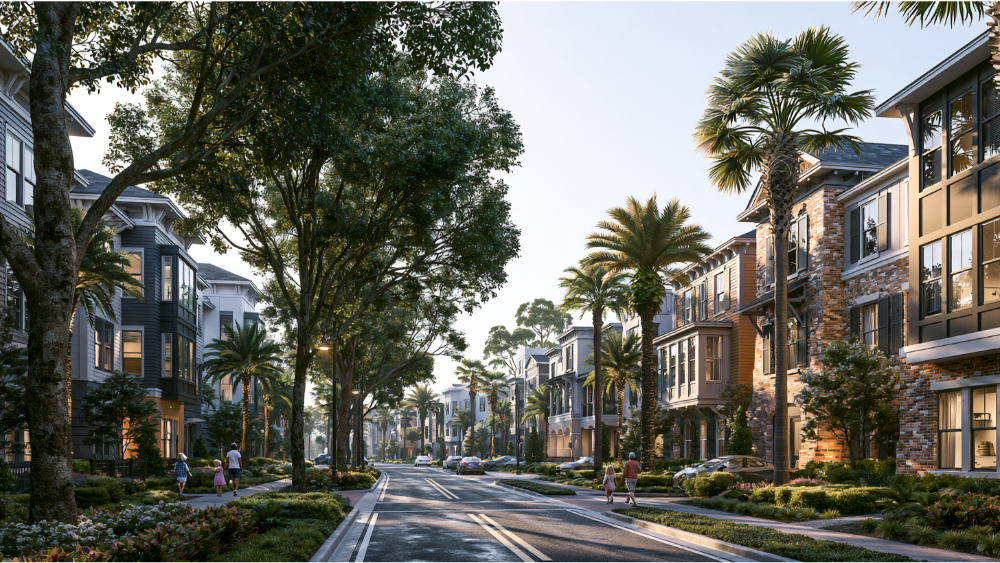
The most common mix-up in relocation research is treating Tampa city and the tampa bay region as the same thing. They’re not. Tampa city had a population of 413,554 as of July 1, 2025, up 7.3% since April 2020. The Tampa-St. Petersburg-Clearwater metro sat at 3,418,895 in 2025, spanning Hernando, Hillsborough, Pasco, and Pinellas counties on Florida’s west coast. St. Petersburg and Clearwater sit across the bay to the west, connected by bridges, and each pulls new residents for its own reasons. When you read “average rent in Tampa,” check whether it means the city or the whole tampa area, because the answer changes what you should budget.
Tampa is close to an even split between renters and owners, with an owner-occupied housing rate of 50.3% (2020-2024 ACS). Local incomes trail the national average, which matters when you’re weighing rent against pay.
| Metric (Tampa city) | Figure |
|---|---|
| Median household income (2020-2024 ACS) | $75,475 |
| Per-capita income (2020-2024 ACS) | $52,528 |
| Owner-occupied housing rate | 50.3% |
| Population (July 1, 2025) | 413,554 |
The Tampa Bay cost of living runs roughly 4.2% above the national average. Utilities come in about 3.6% lower, but food runs around 5.1% higher. Local prices are still moving: the Tampa CPI-U rose 3.2% year over year as of May 2026, with rent of a primary residence up 3.5% in the same release. So budget with a little cushion, not a snapshot. Compared to a big east coast market like Miami, Tampa still reads as more affordable for many renters, though the gap has narrowed.
Here’s the official rent benchmark. HUD’s FY 2026 Fair Market Rents for the Tampa-St. Petersburg-Clearwater MSA:
| Unit size | FY 2026 HUD Fair Market Rent |
|---|---|
| Studio / 0BR | $1,593 |
| 1BR | $1,696 |
| 2BR | $1,977 |
| 3BR | $2,527 |
| 4BR | $3,077 |
The Census median gross rent for Tampa city was $1,701 (2020-2024 ACS). One thing worth understanding: HUD and Census figures are official benchmarks measured over a period, while live listings move faster and vary by neighborhood and property type. Use the benchmarks to sanity-check a listing, not to expect it. Rents in the Clearwater and St. Petersburg neighborhoods across the bay can read differently again, so compare like for like.
For a one-bedroom, plan around $1,725 in live-market terms, which lines up closely with the HUD 1BR figure of $1,696. Run your own numbers with our Rent Calculator and Cost of Living Calculator before you tour any apartments.

MIT’s Living Wage Calculator gives the clearest starting point. In the Tampa Bay area, one adult with no children needs a living wage of $24.33 an hour, or about $50,611 a year before taxes. One adult with one child needs about $82,675. A family of four typically needs $111,000 or more for comfortable living. Tampa’s average hourly wage was $30.93 as of April 2026, and the average salary across the metro reflects that broad service-based mix.
Florida’s minimum wage is $14.00 an hour as of January 2026 and rises to $15.00 on September 30, 2026. These are useful anchors, but they aren’t a universal “you must earn X” rule. Household debt, childcare, car payments, insurance, and pets all move your real number. Build your budget around your actual bills, not a metro average.
For most newcomers, renting first is the smart call. It lets you learn the commute corridors, see how a neighborhood floods, and figure out your daily living before you tie up cash in a mortgage. The Census median owner-occupied home value in Tampa city is $420,400 (2020-2024 ACS), while live market prices often run in the mid-$300,000s. Either way, Florida’s home insurance is a major line item: coverage on a $300,000 home averages around $5,850 a year, and that’s before separate flood coverage.
If you’re weighing the two paths, run the comparison with our Rent vs. Buy Calculator and Mortgage Calculator. Renting first isn’t a step backward. It’s how you buy smarter later.
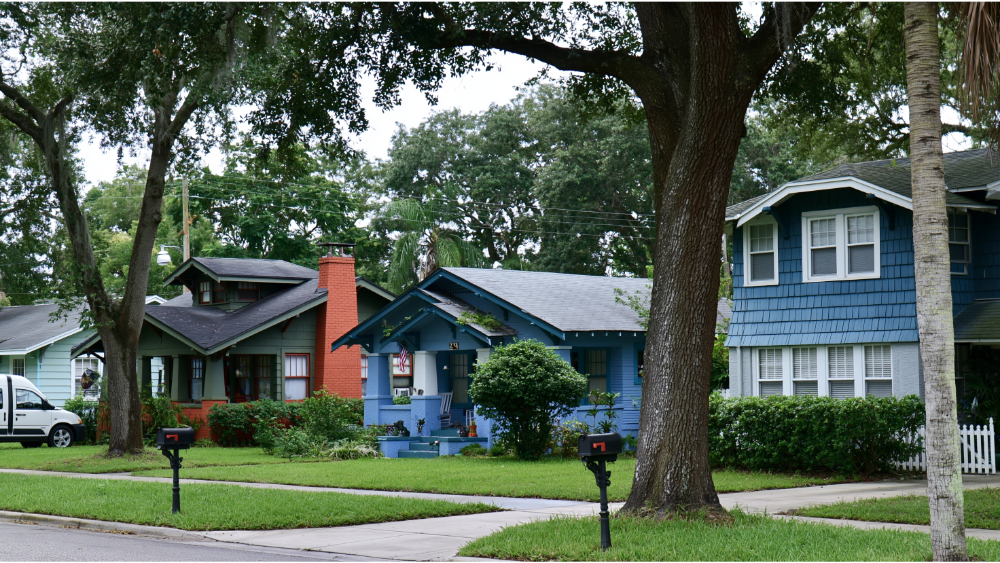
Skip the “best neighborhoods” lists that tell you where people like you should live. The better approach is to score areas against objective filters that match your life. Tampa’s geography includes downtown Tampa, Tampa Heights, east Tampa, Ybor City, Davis Island, Hyde Park, the Bayshore Boulevard area, Brandon, and Plant City, among others. Downtown Tampa puts you near the business center, waterfront, and the streetcar line. Hyde Park leans historic and walkable near Bayshore Boulevard. East Tampa and Plant City sit farther from the water and often carry different price points. Davis Island is a quieter enclave close to the heart of the city. Tampa Heights sits just north of downtown and has seen steady renewal. Any of these neighborhoods can be right or wrong depending on your criteria, not a label.
Run each area you’re considering through this checklist:
Score the neighborhoods on your own list, then tour the top two or three. That’s how you pick a home that fits you, not a stereotype. Some residents even weigh a spot across the bay in Clearwater, Safety Harbor, or St. Petersburg if the commute and community feel right, while others prefer the quieter suburbs farther out.
Give yourself a runway. Tampa rentals move, and rushing leads to compromises you’ll regret. Here’s a workable timeline:
When you’re ready to look, Browse Rental Properties Near You and use our online rental applications to move quickly on a place you like. Search Now while your top picks are still available.
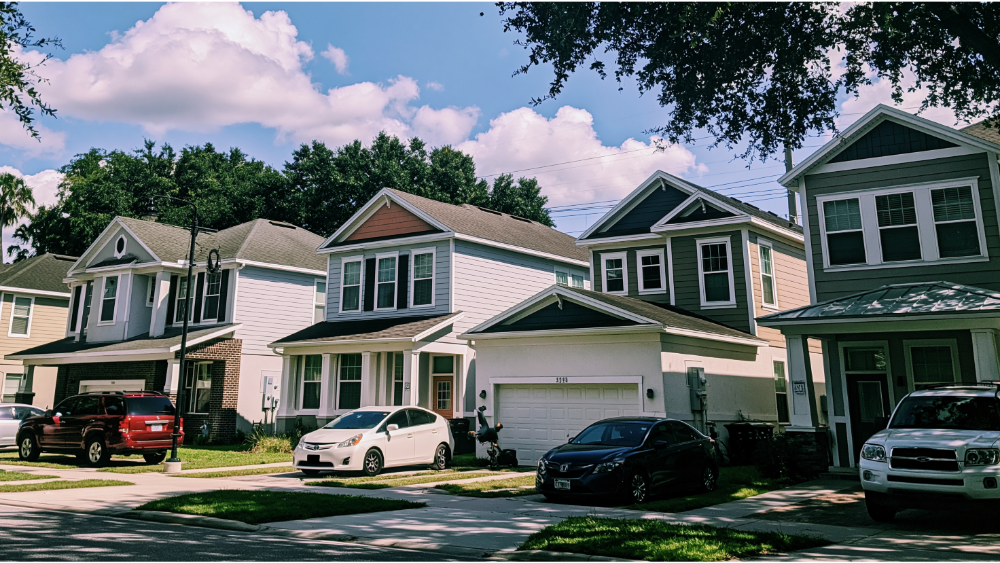
Not sure Tampa is your forever city yet? A short-term lease lets you test a neighborhood, cover a remote-work stint, or bridge a transition without a year-long commitment. It’s the low-risk way to see if the commute, the heat, and the daily living actually work for you. Long-term leasing is the better fit once you know where you want to be, giving you stability and predictable housing costs. KT Rents handles both short-term and long-term leasing, so you can start where it makes sense and stay when you’re ready.
Yes, with some planning. Tampa gives remote workers Gulf Coast beaches, easy access to downtown Tampa, and no state income tax on your paycheck, which stretches a remote salary further than it would in a high-tax state. The warm weather is a genuine draw for people leaving colder climates. The lifestyle is real, but so are the logistics. Confirm reliable internet at your address, set up a proper workspace, and think through the commute even for a hybrid role. Budget the same way you would anywhere else. If you’re a remote professional who wants a base that feels like paradise without giving up the practical stuff, Tampa is a good place to look, and KT Rents can help you find the right work-from-anywhere rental.
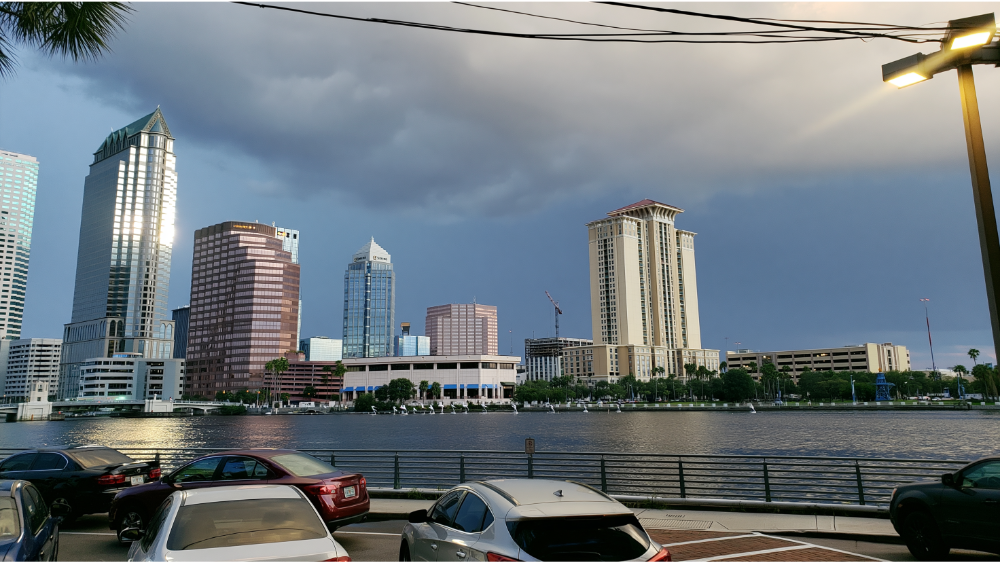
The Tampa metro carries a broad, service-based economy. The BLS preliminary unemployment rate was 4.5% in May 2026, with total nonfarm employment at 1,557.6 thousand jobs. The biggest sectors: professional and business services at 286.8k, trade/transportation/utilities at 277.4k, education and health services at 258.5k, leisure and hospitality at 172.6k, and government at 163.0k. Financial employers have a real footprint here too, with names like JPMorgan Chase among the large operators in the region. MacDill Air Force Base employs more than 15,000 people, and Tampa is where Bonefish Grill and Outback Steakhouse got their start. Orlando sits a couple of hours east if you want a second metro job market within reach.
A wide job base is good news, but it isn’t a guarantee. Line up a job offer or lock in remote income before you relocate. Moving first and hunting later is a gamble Tampa’s cost picture doesn’t reward.
The mean travel time to work in Tampa city is 24.8 minutes (2020-2024 ACS), which sounds manageable. Real commutes swing hard depending on your corridor and, especially, whether you cross a bridge at peak hours toward St. Petersburg or Clearwater. HART runs bus routes across the Tampa Bay area, and the fare-free streetcar covers 2.7 miles connecting downtown Tampa, the Channel District, and historic Ybor City at the north end of the line. Tampa International Airport is well-regarded and easy to reach from most of the metro. Orlando’s attractions are an easy drive east when you want a change of scenery.
Transit helps in specific corridors, but Tampa is a car-heavy region for most people. Pick where you live with your daily drive in mind, not just the rent.
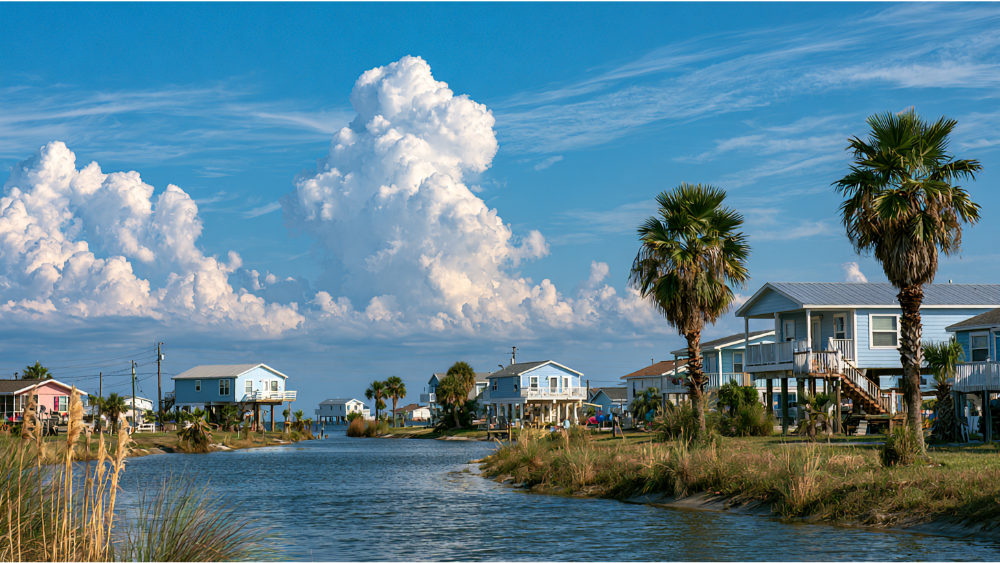
This is the most important Tampa-specific detail for any renter, so give it real attention before you tour, not after. Summers are hot and humid, so good air conditioning isn’t optional, and you should confirm the unit works before you sign. Two separate risk maps also matter here:
Check before you tour:
Atlantic hurricane season runs June 1 through November 30, and hurricanes are the single biggest weather risk for the region, more so than anything drifting up from the Gulf toward Mexico. Tampa carries a Class 5 flood insurance rating, which the city says provides a 25% discount on flood insurance premiums inside flood zones and 10% outside them. A property can be low-risk on one map and higher-risk on the other, so check both. Se Habla Español, and the city’s TAMPALISTA alerts make Spanish-language storm updates easy to receive for the whole community.
Once you’ve signed, a few Florida-specific tasks have deadlines that new residents shouldn’t miss:
On taxes: Florida imposes no personal income tax, and the state sales tax is 6% plus any local surtax, so check your county’s rate.
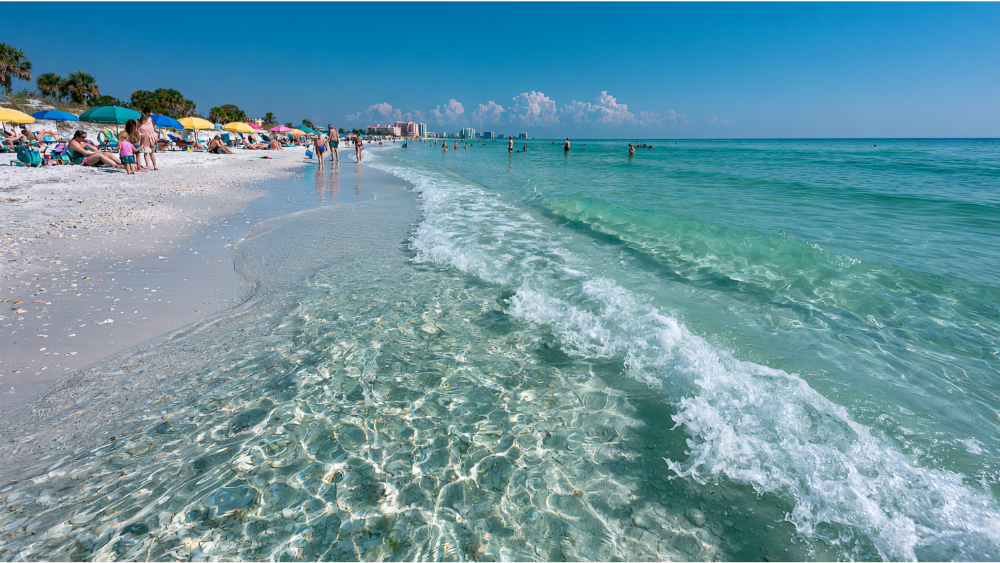
Here’s the fun part, and it’s a big reason people land in the Tampa Bay area. The Gulf beaches are close, and Clearwater Beach to the west is one of the most popular stretches of sand on the coast. Boating and kayaking on the bay and the Hillsborough River are weekend staples, and outdoor activities like paddleboarding, cycling along Bayshore Boulevard, and fishing keep residents busy year round. The Tampa Riverwalk stretches more than two miles through downtown Tampa, linking parks, museums, and restaurants near the city center. Busch Gardens brings the roller coasters, its sister water park Adventure Island cools you off in summer, and ZooTampa at Lowry Park is home to more than 2,000 animals. Between those theme parks and Orlando’s a short drive southeast, families are never short on options.
The food scene runs deep. The Columbia Restaurant in Ybor City is Florida’s oldest restaurant and famous for its Cuban sandwiches, while food halls like Armature Works and The Hall on Franklin pull together local vendors under one roof. You’ll find Latin and fusion cooking across the city and Ybor City food trucks worth a detour, plus a genuine nightlife scene that keeps evenings lively. Each January, Gasparilla draws crowds of 300,000-plus for its pirate-themed parade. Tampa makes it easy to feel at home fast and find your place in the community, and that’s the point of finding the right rental first.
Tampa is a confirmed rental market for KT Rents, a full-service, broker-owned property management and rental platform operating nationwide across the U.S. since 2009. That’s 16-plus years of experience, and KT Rents reports a 98% occupancy rate. You can browse Tampa listings across many neighborhoods, submit rental applications online, run the numbers with our calculators, pay rent online, and file maintenance requests through the owner and resident portals. New residents also get tenant perks and housewarming support, because feeling at home matters after the lease is signed. Your Rental. Your Way. Reach us at (800) 716-4950, text (608) 207-0657, or email info@staging.ktrents.com.
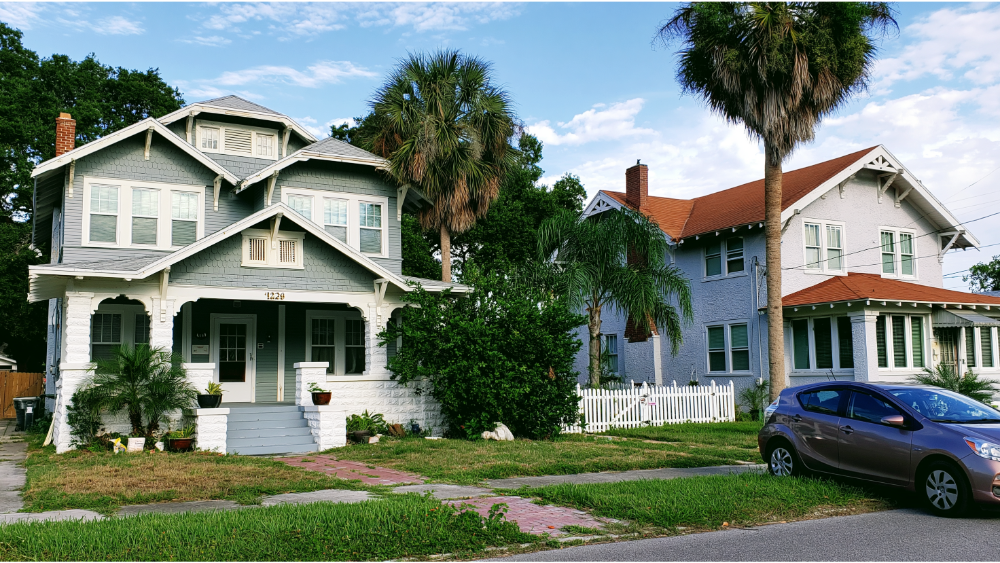
If you’re relocating to Tampa and turning a former home into a rental, KT Rents can manage it end to end. We handle tenant placement, tenant screening, rent collection, property maintenance, property inspections, court evictions, rental permits, 1099 preparation, and city ordinance compliance without the owner having to lift a finger, all for about the price of a cup of coffee and a donut per day. Need Management Services? Call (800) 716-4950.
Plan around $1,725 for a one-bedroom, which tracks with the HUD FY 2026 Fair Market Rent of $1,696. The Census median gross rent for Tampa city is $1,701. Live listings vary by neighborhood, so use these as a floor and check current pricing.
MIT’s Living Wage Calculator puts one adult at about $50,611 a year before taxes, one adult with one child at $82,675, and a family of four at $111,000 or more for comfortable living. Your debt, childcare, insurance, and pets shift that number.
Evacuation zones (Hillsborough County A-E) guide hurricane evacuation decisions. Flood zones measure year-round flood risk and drive insurance and building rules. The City of Tampa says every property is in a flood zone, so check both maps for any address.
Yes. New residents must get a Florida driver license within 30 days of establishing residency, and the FLHSMV vehicle insurance, title, and registration timeline is tied to 10 days.
You can browse Tampa listings, submit an application online, run our Rent and Rent vs. Buy calculators, pay rent online, and file maintenance requests, with short-term and long-term leasing options. Start at staging.ktrents.com or call (800) 716-4950.